🥇Uniservitate Award 2024 winning experience
OVERVIEW
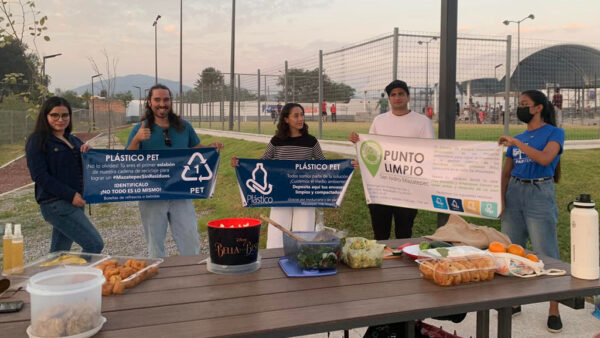
The University is currently working with 14 locations in six municipalities in the Salado river sub-basin whose ecosystems were contaminated by molasses. Water and waste management actions have been promoted, as well as awareness-raising and education on the preservation and recovery of ecosystems, alongside the livelihoods of the affected population.
EXPERIENCE DEVELOPMENT
Dates:
From: 2015 (January)
Continues
Context: The initiative originated in response to a request from the people of San Pedro Valencia to the university, to help address a socio-environmental crisis caused by molasses pollution from the De Hurtado Dam. The lack of instruments for safe use of the space highlights the need to reinforce the capacities of local organizations to safeguard and recover community’s goods inherent to its contexts and local culture.
Objectives:
Solidarity action: To preserve or recover ecosystems and local livelihoods; to conduct joint initiatives with local stakeholders to monitor the state of rivers, lagoons, soils, and crops, which are considered residents’ common goods.
Learning: Students are required: to manage a holistic social involvement, like planning, implementing, evaluating its results, and disseminating they have learned; to develop competencies for teamwork and social demand or problem solving, specially concerning those affecting the most disadvantaged populations; and to acquire experience in the analysis of regional problems and the promotion of social dialogue for the production and preservation of environmental assets.
Direct beneficiaries of the solidarity action: The beneficiaries include localities with 400 to 41,000 inhabitants, whose economy is based on agricultural production. Number of direct and indirect beneficiaries of the solidarity action: about 97,000.
Type of service: exclusively in the field.
Fifty students and 4 professors participate in the project.
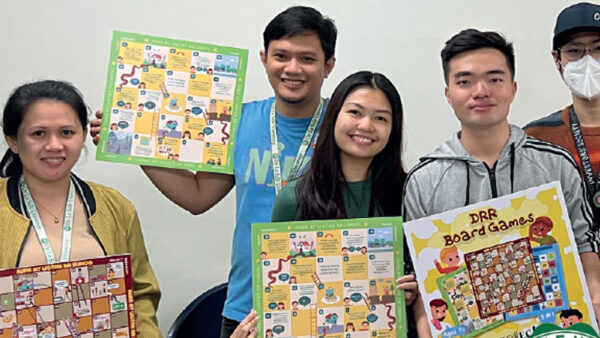
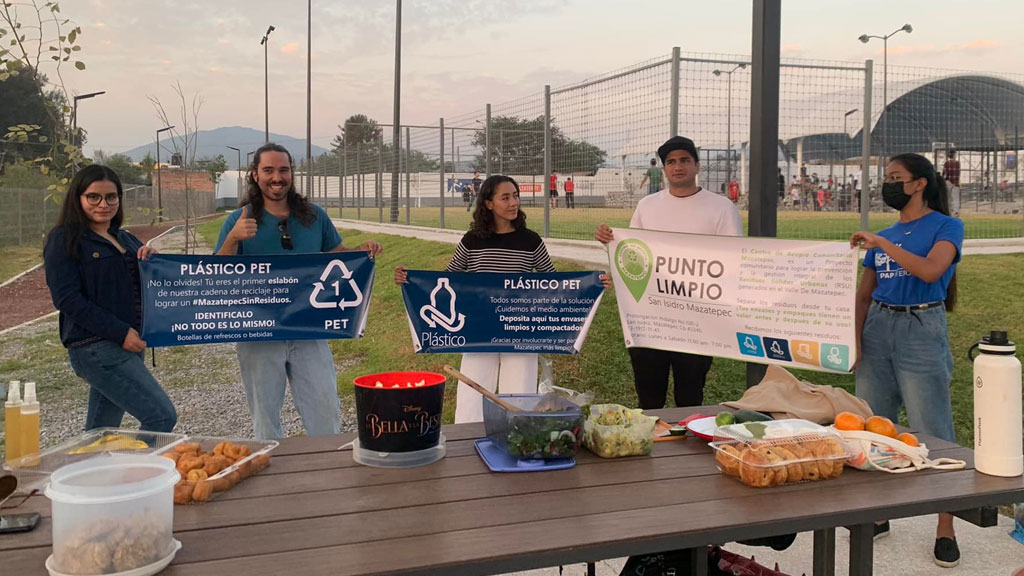
Main activities carried out by students: Working in multidisciplinary teams, students from various degree courses analyze the problems, develop technical proposals validating the alternatives with the communities involved, document the work processes, and systematize and disseminate the results of their actions, among other activities.
Number of weekly hours that students dedicate to the project: 16 hours per week over 16 or 32 weeks, depending on the student’s choice.
Mandatory nature: It’s mandatory for all undergraduates. All undergraduate degree curricula at ITESO include at least 32 credits in subjects delivered via the Professional Application Project (PAP) model.
Results:
A. Students: The project experience strengthens the ability to combine effectively theory with practice, and make informed decisions based on the reality on the ground; it also improves communication and teamwork skills. The possibilities for understanding a social problem are increased, and it enables envisioning structural alternatives.
B. Community: The participating communities and organisations have improved their capacities for territorial self-governance and the management of their common goods, and nowadays, the have the means to identify the problems within their communities, and design and implement alternatives for their conservation or recovery. Furthermore, they dialogue with the organizations networks that have shared interests and agreed proposals for territorial stewardship.
11. Audiovisual material and further information:
DATA SHEET
- Experience Title: Professional Application Project (PAP) ‘San Pedro Valencia’ [Professional Application Project (PAP) ‘San Pedro Valencia’]
- Region: Latin America and The Caribbean
- Country: Mexico
- Institution: The Jesuit University of Guadalajara
- Department involved: ITESO (Western Institute of Technology and Higher Education)
- SDG Theme: Care for our Common Home. (SDG 6, 7, 11, 13, 14, and 15, and GCE 3).
- Place of implementation: Fourteen locations in Tala, Acatlán de Juárez, Tlajomulco de Zúñiga, Tala, Villa Corona y Zacoalco de Torres municipalities..
- Responsible for the experience: Héctor Morales Gil de la Torre.