🥇Uniservitate Award 2024 winning experience
OVERVIEW
The students analyzed the presence of antibiotic-resistant samples from 33 public playgrounds located in the city of Lublin. They collected swabs from playground equipment and sand from sandboxes. The results —concerning what drug-resistant strains of bacteria can be found and its local playgrounds locations— were shared in the form of open-access website application, which was developed as part of the project to inform the scientific community and the public.
EXPERIENCE DEVELOPMENT
Dates:
From: 2023 (April).
To: 2024 (April).
Context. Antibiotic resistance must be considered as serious as climate change or COVID-19 pandemic outbreaks globally. The problem is accelerated by the fast mutation rates in microbes and the evolution of multi-drug-resistant strains, resulting in an increased mortality rate from microbial infections around the world. Infectious diseases can spread if hygiene rules are not applied after returning from playgrounds. Due to their behaviour in playground activities or immunodeficiency, children represent the main risk group.
Objectives:
Solidarity action: To raise awareness of the scale of antibiotic resistance and emphasize the importance of applying basic hygiene rules, such as washing hands, after returning from playgrounds.
Learning: Students could achieve critical thinking and communication skills, heighten civic responsibility and recognize the connection between academic learning and real-life experiences.
Direct beneficiaries of the solidarity action: From children to senior citizens. The main benefited population of the students’ solidarity action is the inhabitants of Lublin. However, the project outcomes are useful for residents of Poland, since now they have useful information to take health care measures and knowledge regarding microbiological hazards in playgrounds.
Type of service: Mixed/hybrid form.
Thirteen students and 3 professors participate in the project.
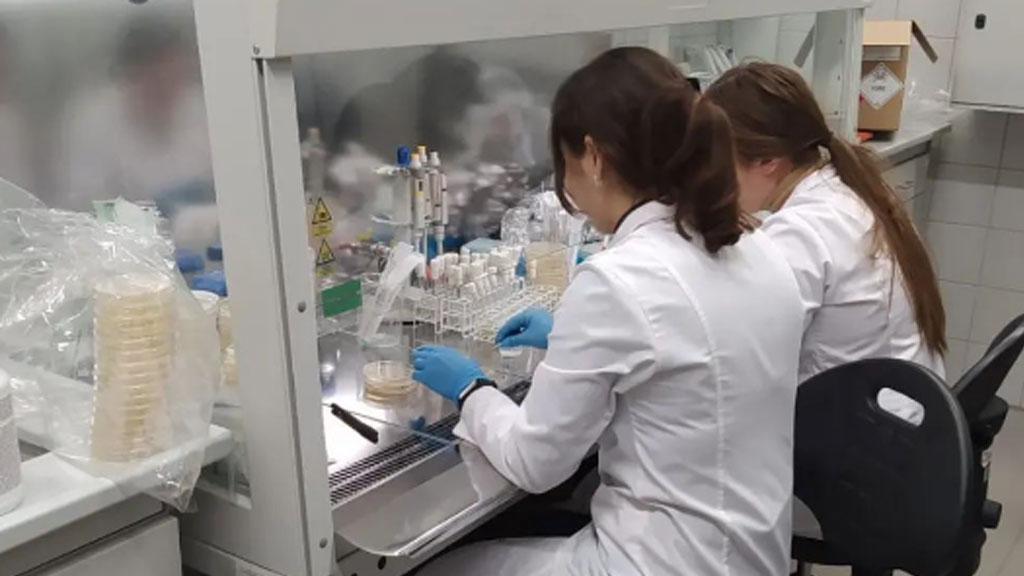
Main activities carried out by students: Planning a scientific experiment relevant to society; sample collection from playgrounds by students and performing research experiments in the University’s laboratories; development of an open-access website application and preparation of educational materials; lobbying and discussion about the project through conversations and interviews with the local press, and during scientific conferences.
Number of weekly hours that students dedicate to the project: 20 hours per week during 12 months
Mandatory nature: It’s voluntary for all undergraduates
Results:
A. Students: During the project, students learned a new technique for species identification of bacteria in samples collected from playgrounds. They could also analyze samples by themselves and learn how to interpret the obtained data. In addition, students have learned teamwork, and acquired responsibility for the obtained results, and scientific integrity and robustness.
B. Community: Discussion about the project results with local authorities. Interest in the project results in local and national media, and press conference and announcement of the social and media campaign in Lublin in cooperation between the University and the City Hall.
Audiovisual material and further information: https://www.facebook.com/reel/359270416546355
DATA SHEET
- Experience Title: Bacteria antibiotic resistance: a global challenge – local actions
- Region: Central and Eastern Europe & Middle East
- Country: Poland
- Institution: Catholic University of Lublin (KUL)
- Department involved: Biotechnology Scientific Club
- SDG Theme:B. Good health and well-being (SDG 3, GCE 1)
- Place of implementation:Lublin
- Responsible for the experience: Ilona Sadok and Rafal Lopucki’s