🥇Uniservitate Award 2024 winning experience
OVERVIEW
This initiative involves several disciplines address discrimination, segregation and racism in Minnesota, specially examining deeds known as “racial covenants”. Racial covenants are clauses that are inserted into property deeds that prevent people who are not white from buying or occupying land. A “Mapping Prejudice Project” was done identifying the presence of such covenants and educating for action.
EXPERIENCE DEVELOPMENT
Dates:
From: 2017 (September)
Continues
Context: The problem was/is the lack of understanding of systemic racism within housing and its effects by way of racial covenants in housing deeds covenants, so this deeds made it impossible for Black (or non-white) people to buy of occupy land.
Objectives:
Solidarity action: Mapping Prejudice identifies and maps racial covenants, clauses that were inserted into property deeds to keep people who were not White from buying or occupying homes. An interdisciplinary team collaborates with community members to expose the history of structural racism and support the work of reparations.
Learning: To demonstrate cultural fluency through an understanding of student’s and others’ identities; and to name, explain, and consider solutions to a real-world problem using at least two different disciplinary methods or sets of concepts (e.g. creative arts, historical archives, social science surveys, scientific observation and data).
Direct beneficiaries of the solidarity action: The direct beneficiaries are 2500 in total, ranging from adolescents to senior citizens, while the indirect beneficiaries are estimated over 550,000.
Type of service: Mixed/hybrid form
One thousand and five hundred students and 40 professors participate in the project
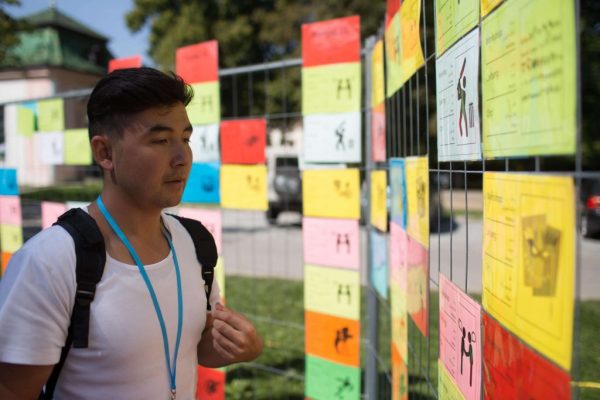
Main activities carried out by students: Students investigate the effects of housing injustice, past and present; students plan collaborative projects related to the history of housing injustice with neighbourhood organizations, libraries, and non-profit organizations to support their racial justice goals and community work, online and lead in-person sessions.
Number of weekly hours that students dedicate to the project: 1 hour during the whole semester
Mandatory nature: It’s mandatory for some students but optional for others
Results:
A. Students: Because of its impact on students, this experience is now one of three community-engaged projects that all students at St. Catherine University undertake as part of their first-year experience.
B. Community: This work has been especially impactful for student leadership development and community outcomes amidst the international pandemic and in the light of notorious cases such as the murder of George Floyd by local police.
Audiovisual material and further information:
DATA SHEET
- Experience Title: Welcoming the Dear Neighbor?
- Region: The United States of America and Canada
- Country: The United States
- Institution: St. Catherine University
- Department involved: Multidiscipline
- SDG Theme:G. Sustainable cities, decent housing, preservation and promotion of historical, cultural and natural heritage. (SDG 11, and CGE 3)
- Place of implementation: Minnesota
- Responsible for the experience:D´Ann Lesch